Tuberculosis and Infectious Diseases
For over 60 years, BNMT has been on the frontline of tuberculosis care in Nepal, helping some of the most vulnerable communities access lifesaving treatment.
Building on the experience, we now focus on accelerating elimination of infectious diseases altogether. We work closely with government, communities, and experts to bring innovative and patient-centered solutions, that ensure people are diagnosed early, treated well and never left behind, for creating a healthier future.
Your support helps stop the spread of TB and other infectious diseases, saving lives and giving families hope.
ACCELERATE
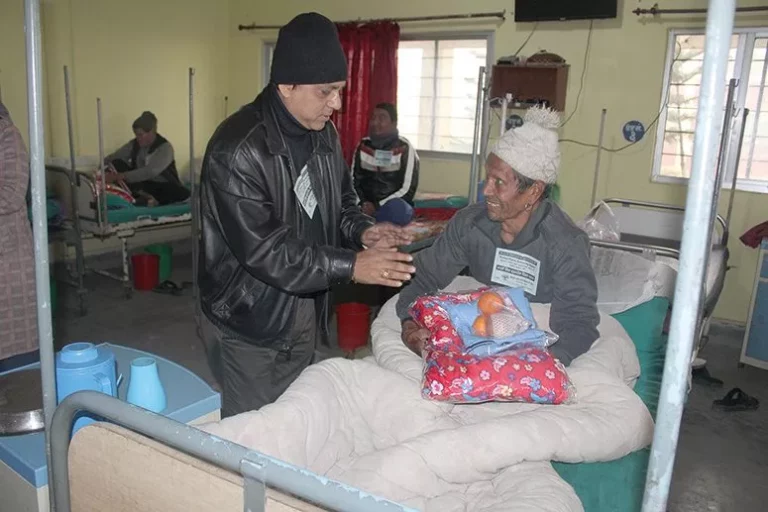
Accelerating to Zero Transmission of Leprosy in Nepal
Around 3,000 people are diagnosed with leprosy in Nepal each year, often too late to prevent disability. The ACCELERATE project works in four high-burden districts to improve early detection and treatment, partnering with specialist hospitals to reduce transmission and support cure.
ASCOT
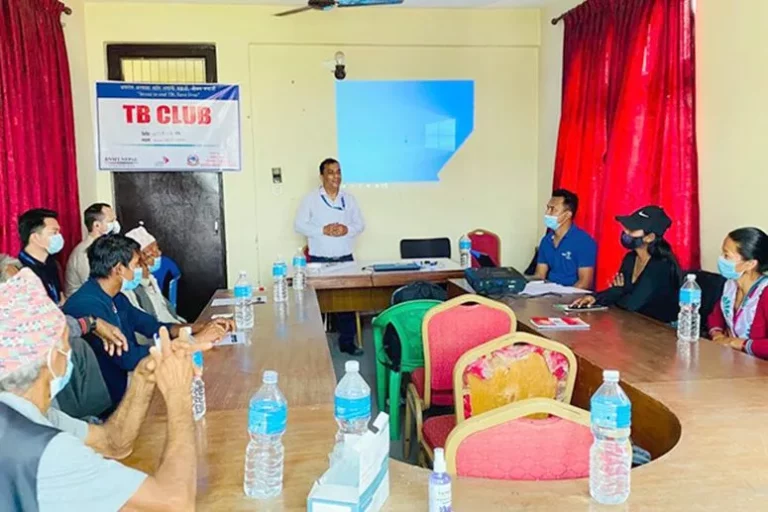
Addressing the Social determinants and Consequences of Tuberculosis in Nepal
The ASCOT project, funded by the UK Medical Research Council, is testing locally designed socioeconomic support packages for TB-affected households in Nepal. By assessing feasibility and acceptability, the study will help identify the most effective interventions to reduce poverty and catastrophic costs from TB.
CHANGE TB
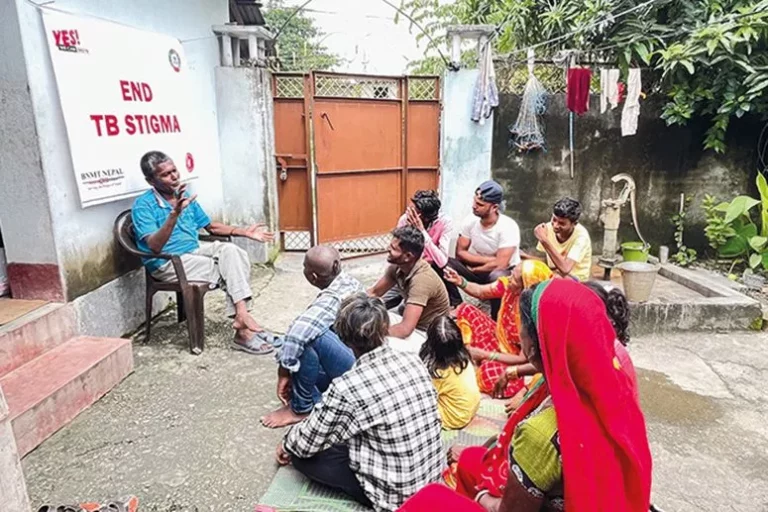
Intersectional approaches to empower communities to explore, challenge and transform TB-related stigma
CHANGE TB is working in six high-burden districts of Nepal to reduce stigma, build community capacity, and empower people affected by TB. Through advocacy, awareness, and support networks, the project fosters collaboration and resilience. Recently extended, it will continue until May 2025.
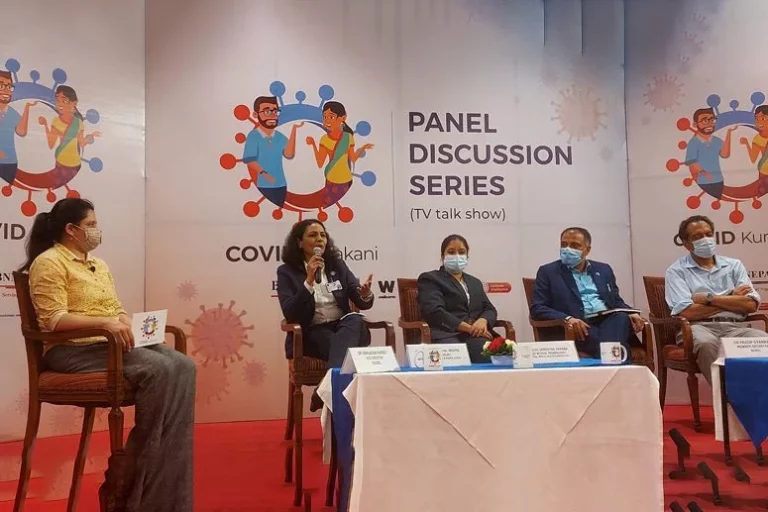
COVID KURAKANI Panel discussion series
Understanding stakeholders’ perspectives of COVID19 sequencing in Nepal
The Covid Kurakani project, funded by Wellcome Trust, is fostering dialogue in Nepal on the role of genomic sequencing in tackling pandemics. By engaging communities, health professionals, and policymakers, the project builds understanding of sequencing and supports better communication of research findings for future epidemic responses.
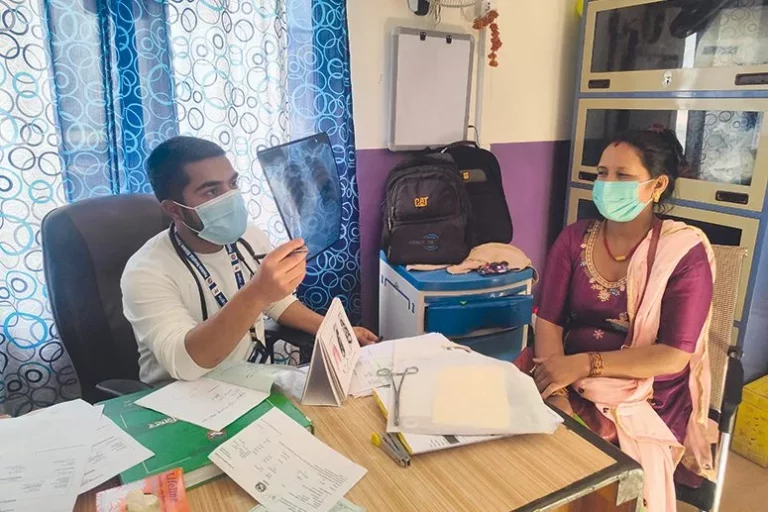
CRITIC Project
The Comprehensive Strategy for Retention in TB Infection Cascade of Care
The CRITIC Study, part of a multi-country initiative, is testing better ways to prevent TB in Nepal. Working with the National TB Control Centre, the project offers the WHO-recommended 3HP treatment to family members of TB patients, protecting them from future illness and reducing community transmission.
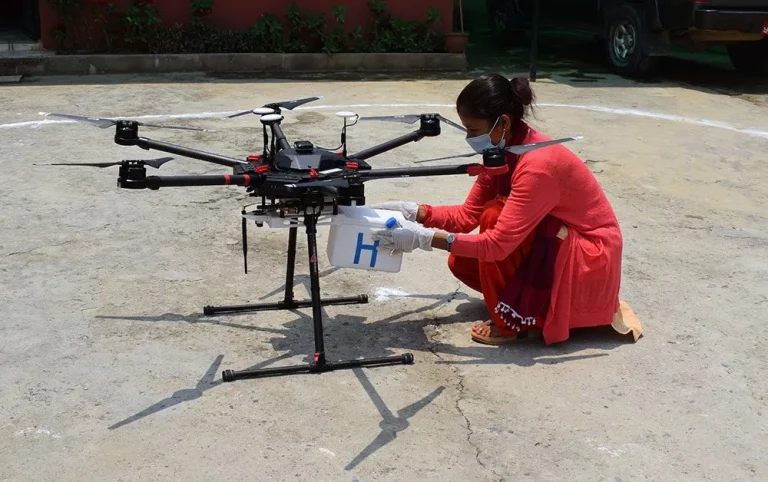
DrOTS Nepal
Drone Optimised Therapy System
DrOTS Nepal uses drones and smart pillboxes to overcome barriers of distance in rural Pyuthan. By transporting TB samples quickly and supporting patients with treatment reminders, the project improves early diagnosis and adherence, helping to bring care to hard-to-reach communities.
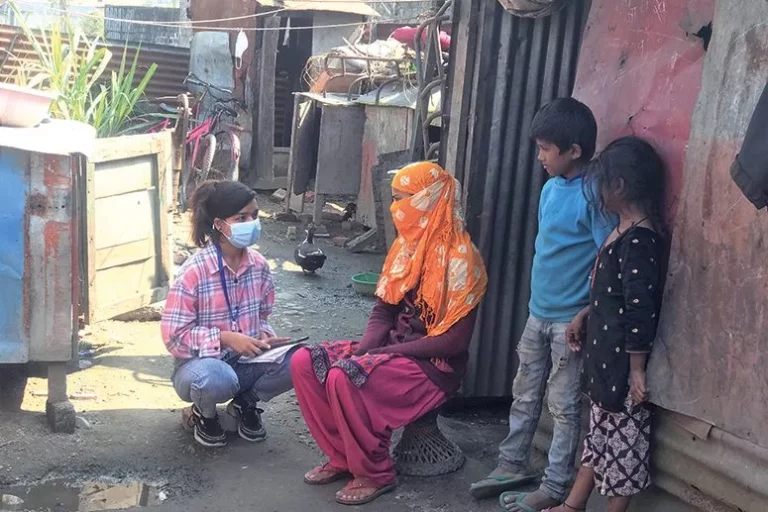
IMPACT 2 TB
Community based active case finding to accelerate TB elimination in Nepal
Impact TB 2, funded by the Nick Simons Foundation, tested innovative, patient-centred models of TB care in Nepal. By expanding case finding in four districts and piloting the 3HP preventive treatment, the project generated vital evidence now shaping national and international TB strategies.
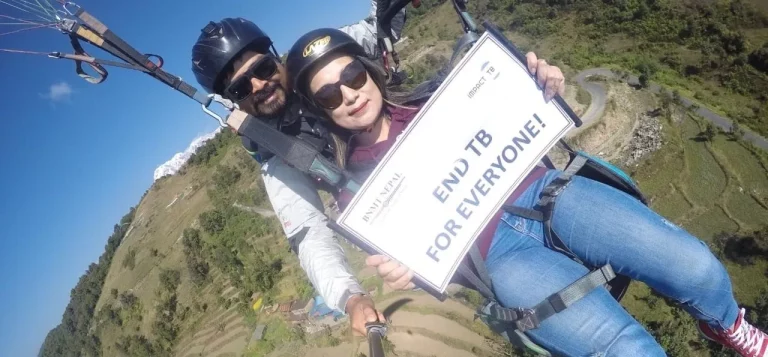
Impact TB
In Nepal, IMPACT TB is working in four districts with high numbers of undiagnosed tuberculosis cases. By finding and treating people who would otherwise struggle to access healthcare, the project helps prevent transmission and saves lives. Our work supports the National TB Programme to build evidence for cost-effective, scalable strategies to control TB nationwide.
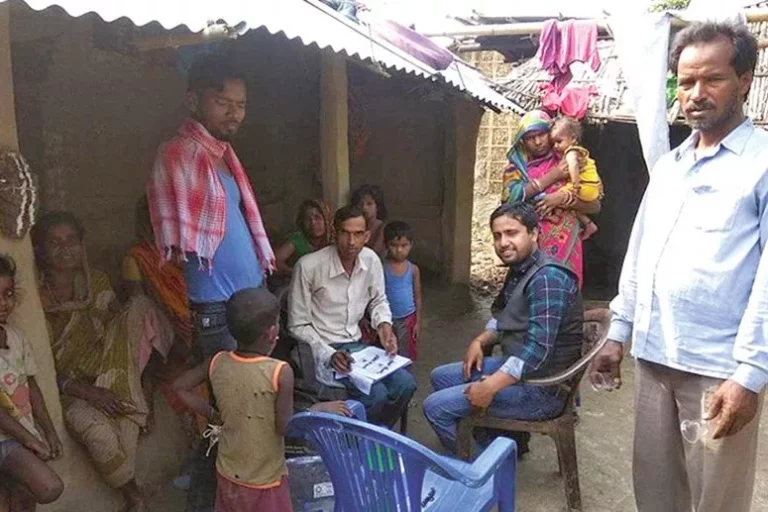
National Tuberculosis Program
National Tuberculosis Program funded by Global fund via Principal recipient Save the Children is a nationwide tuberculosis project that aims to reduce TB incidence by 20% and increase case notifications by a cumulative total of 20,000 by 2021. BNMT is working in partnership with Save the Children, NTC and the government health system as a sub-recipient to deliver services in 5 districts of the Province 1, Nepal.
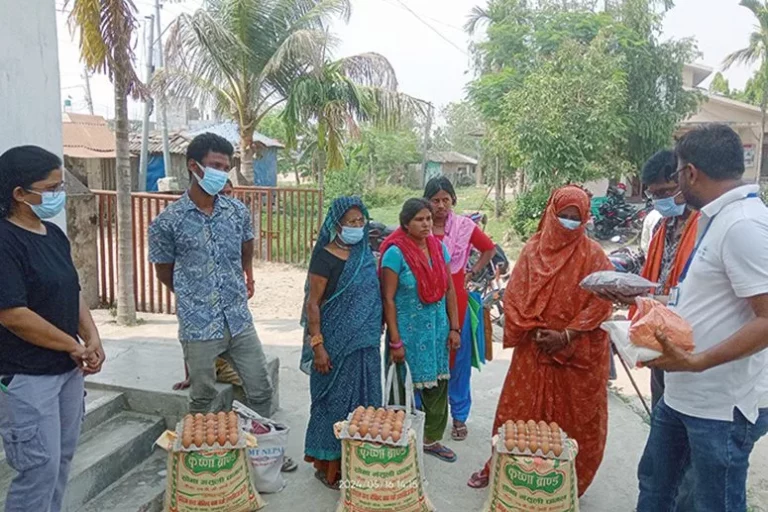
NOURISH
Nutritional support for people affected by TB
The NOURISH Project provides six months of nutritional support to TB patients and their families in Morang, Mahottari, and Banke. By supporting those most in need, the project aims to improve health outcomes, reduce food insecurity, and inform a national strategy for integrating nutrition into TB care.
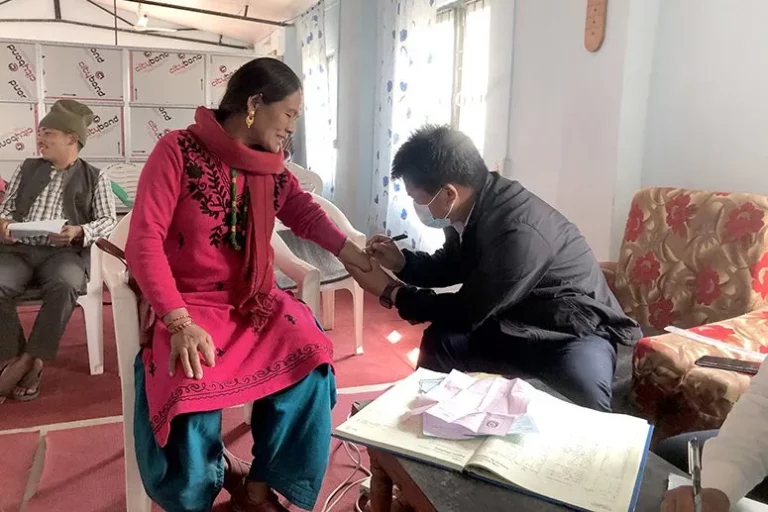
Prevent TB to END TB
Each year, 70,000 people in Nepal fall sick with TB and 17,000 die. BNMT piloted the shorter 3HP preventive treatment in Pyuthan and Chitwan, achieving a 95% completion rate. Building on this success, the project is scaling up 3HP to protect families and stop TB before it develops.
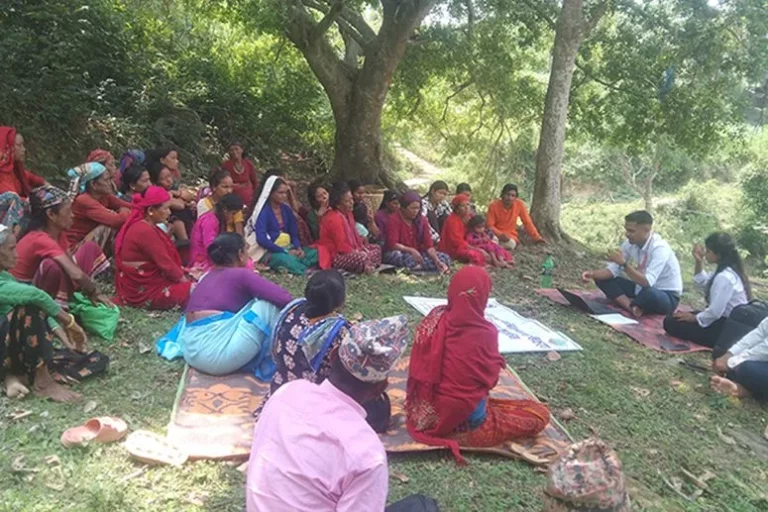
Strengthening Health Resilience in TB program in Nepal
"BNMT Nepal is implementing the Strengthening Health Resilience in the TB Program project in Lumbini and Karnali provinces. Supported by the Global Fund, it works to remove barriers to TB care, expand access, improve diagnosis, and help Nepal’s National TB Program reach its targets.

TARGET TB
Understanding TB transmission dynamics in the context of rapid urbanization of Asia to optimally target interventions and accelerate the End-TB strategy
ARGET TB uses whole genome sequencing in Kathmandu, Pyuthan, and Banke to study how TB spreads in Nepal. By understanding transmission dynamics in both rural and rapidly urbanising settings, the project generates evidence to better target interventions and accelerate progress towards the End-TB strategy.
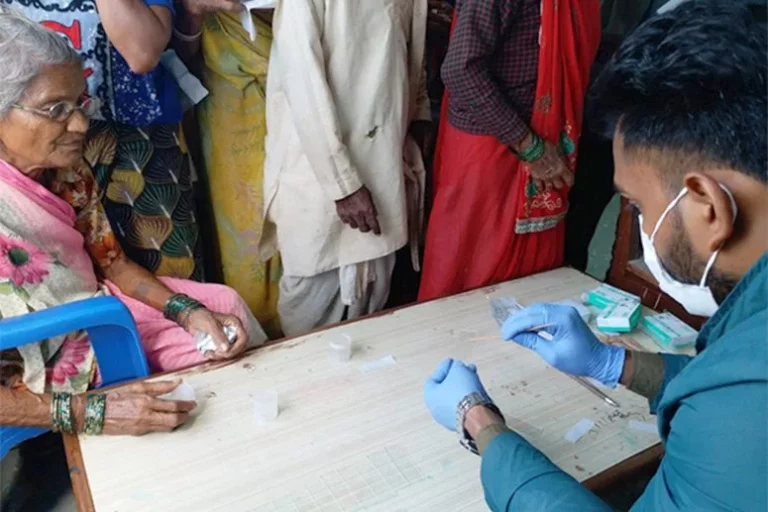
TB REACH Wave 5
Scale up of Intensified Active Case Finding Model in Nepal
BNMT Nepal’s TB REACH project brought vital TB services to hard-to-reach hill and Terai communities. By mobilising female community health volunteers for contact tracing, screening camps, and new diagnostic tools, the project improved early diagnosis, treatment support, and successfully identified over 1,000 new TB cases.
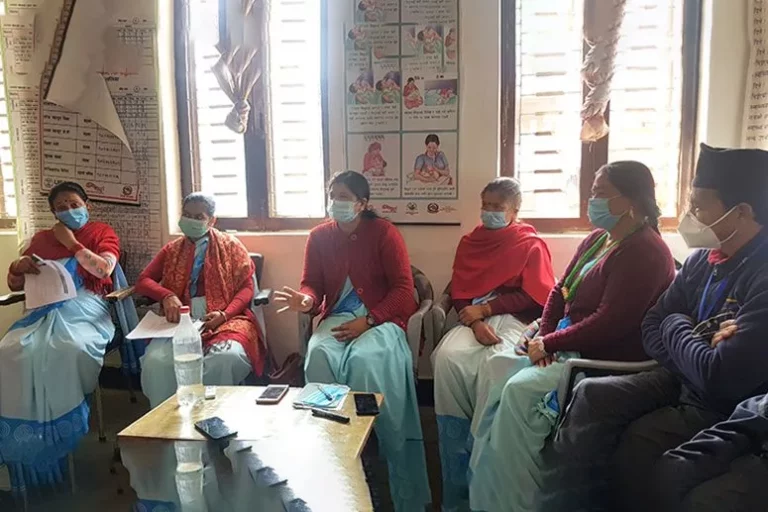
TB Recovery
Nutritional support for families affected by TB in Nepal
Nepal faces a high TB burden, with 69,000 new cases and 4,000 deaths annually, disproportionately affecting the poorest and driving families deeper into poverty. Our study found 30% of TB patients face food insecurity, and poor nutrition worsens recovery and increases vulnerability among family members. The TB RECOVERY project supports 200 high-burden families in Banke, Pyuthan and Makwanpur with six months of nutritional aid and trains female community health volunteers to identify TB cases and provide nutritional counselling.
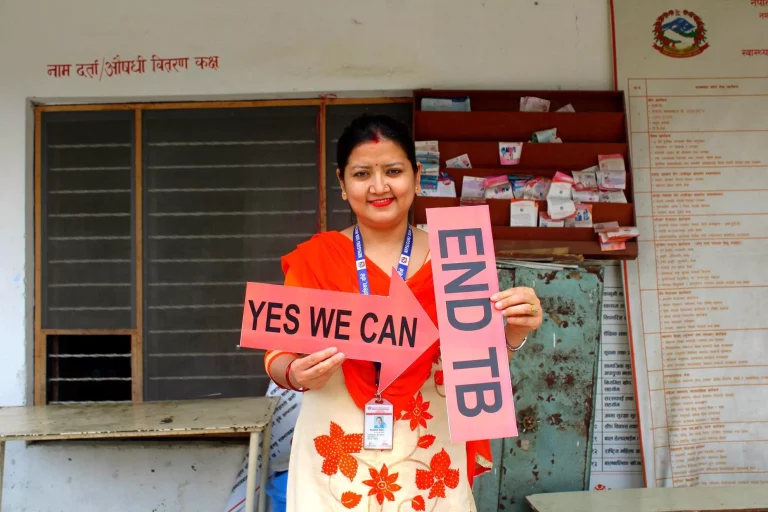
TB Shield
TB SHIELD is a collaborative project which seeks to demonstrate proof of concept for detecting airborne Mycobacterium tuberculosis through air sampling of the bacteria in three hostels for the treatment of drug resistant TB. If this method proves effective, we can use the data generated to develop better infection prevention and control strategies within these facilities.