
Research and Evidence
BNMT conducts multidisciplinary research embedded within our implementation programs, to understand and improve health and wellbeing in Nepal.
Our studies explore different dimensions of infectious diseases, women’s and adolescent health, mental health and health systems. We generate evidences that shape policy, strengthen advocacy, drive innovations, and empower communities, while ensuring global relevance through collaboration with leading experts and international partners.
Your support helps BNMT turn research into action that can saves lives, and empower communities in Nepal.
ACCELERATE
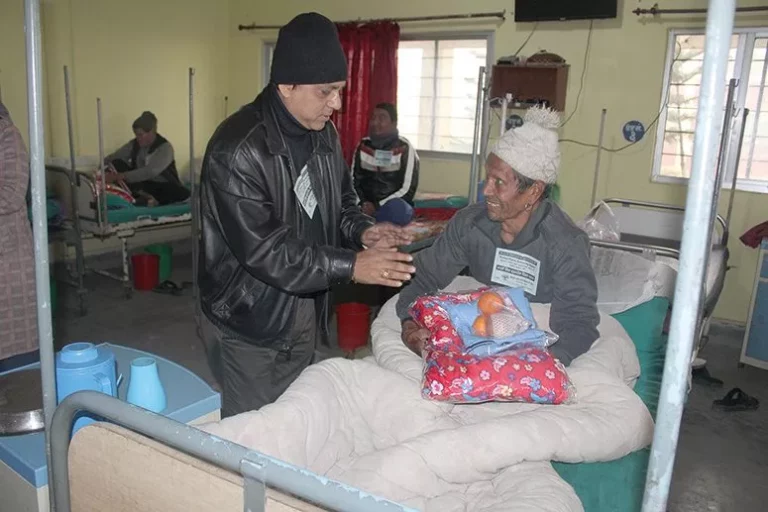
Accelerating to Zero Transmission of Leprosy in Nepal
Around 3,000 people are diagnosed with leprosy in Nepal each year, often too late to prevent disability. The ACCELERATE project works in four high-burden districts to improve early detection and treatment, partnering with specialist hospitals to reduce transmission and support cure.
ASCOT
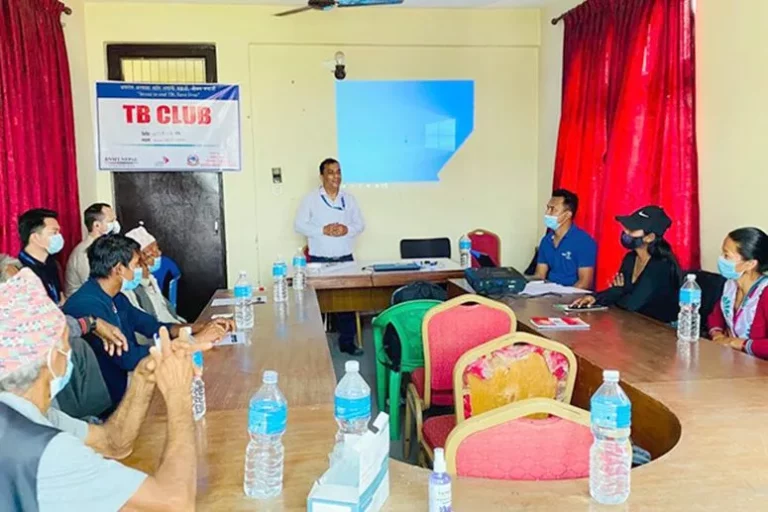
Addressing the Social determinants and Consequences of Tuberculosis in Nepal
The ASCOT project, funded by the UK Medical Research Council, is testing locally designed socioeconomic support packages for TB-affected households in Nepal. By assessing feasibility and acceptability, the study will help identify the most effective interventions to reduce poverty and catastrophic costs from TB.
BREAKING the Stigma
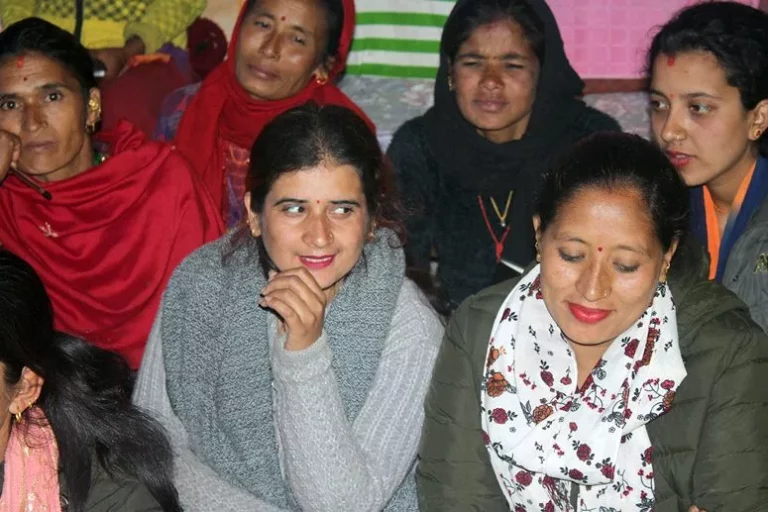
BREAKING the Stigma: An Alternative Approach to Cervical Cancer Screening in Nepal
Project BREAKING the stigma aims to explore the feasibility and acceptability of an alternative method to cervical cancer screening – self-sampling for HPV delivered via online /phone based platforms. The project works closely with local partners, local communities to understand their needs, drivers and barriers and develop and test service pathways. It also explores contextual barriers and opportunities to create a feasible and acceptable prototype HPV self-sampling service which addresses current barriers to cervical screening and can be delivered through a sustainable business model.
CRITIC Project
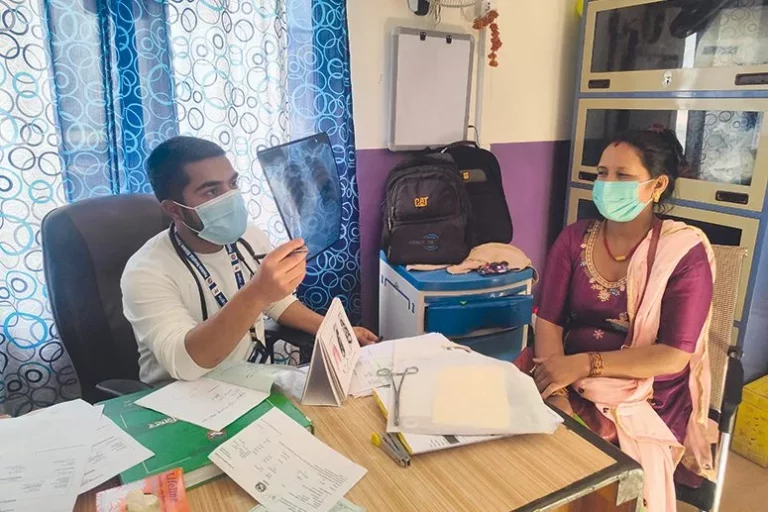
The Comprehensive Strategy for Retention in TB Infection Cascade of Care
The CRITIC Study, part of a multi-country initiative, is testing better ways to prevent TB in Nepal. Working with the National TB Control Centre, the project offers the WHO-recommended 3HP treatment to family members of TB patients, protecting them from future illness and reducing community transmission.
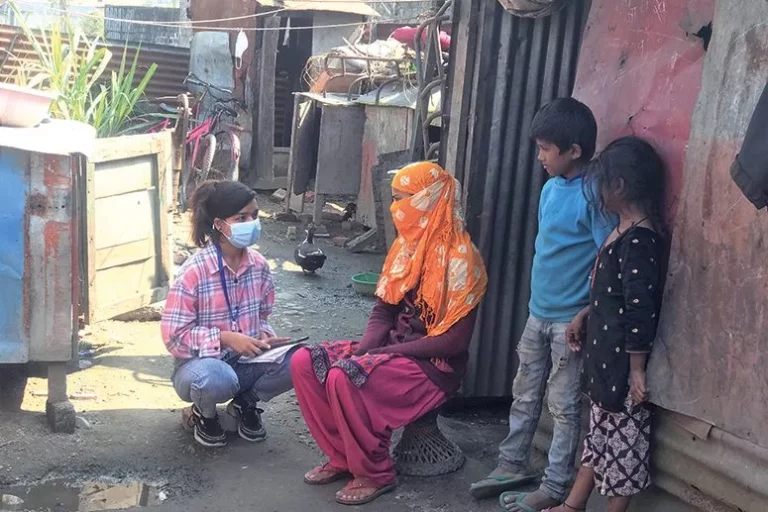
IMPACT 2 TB
Community based active case finding to accelerate TB elimination in Nepal
Impact TB 2, funded by the Nick Simons Foundation, tested innovative, patient-centred models of TB care in Nepal. By expanding case finding in four districts and piloting the 3HP preventive treatment, the project generated vital evidence now shaping national and international TB strategies.
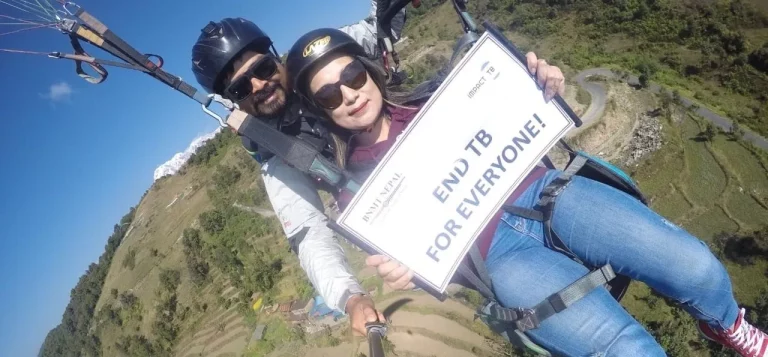
Impact TB
In Nepal, IMPACT TB is working in four districts with high numbers of undiagnosed tuberculosis cases. By finding and treating people who would otherwise struggle to access healthcare, the project helps prevent transmission and saves lives. Our work supports the National TB Programme to build evidence for cost-effective, scalable strategies to control TB nationwide.
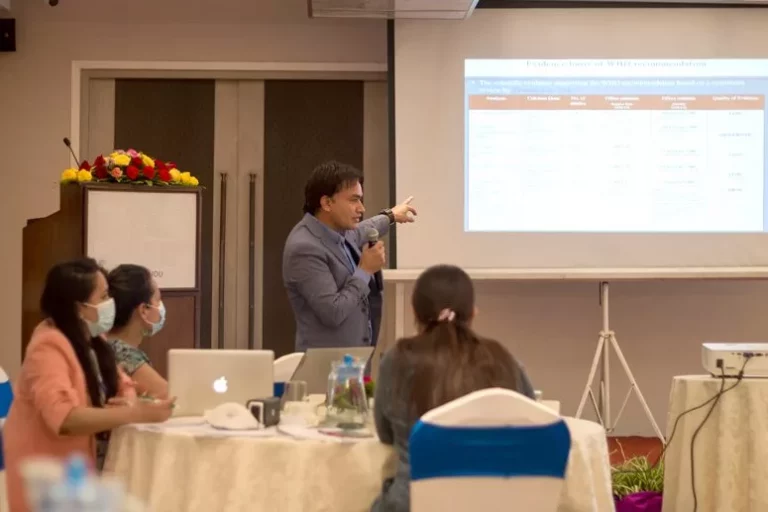
READ IT
Research, Evidence and Development Initiative
BNMT is Nepal’s partner in the READ-It consortium, which strengthens evidence-based decision making in health. By conducting systematic reviews on national priorities identified with government stakeholders, the project ensures reliable evidence directly informs policy to improve health outcomes.

TARGET TB
Understanding TB transmission dynamics in the context of rapid urbanization of Asia to optimally target interventions and accelerate the End-TB strategy
ARGET TB uses whole genome sequencing in Kathmandu, Pyuthan, and Banke to study how TB spreads in Nepal. By understanding transmission dynamics in both rural and rapidly urbanising settings, the project generates evidence to better target interventions and accelerate progress towards the End-TB strategy.
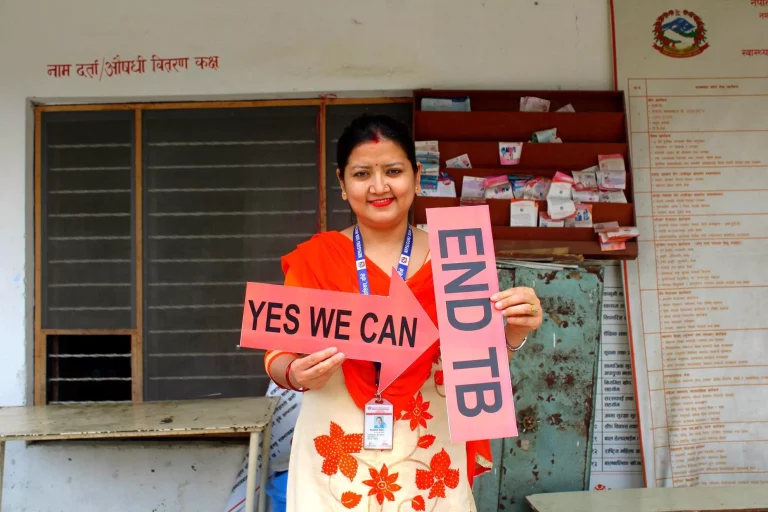
TB Shield
TB SHIELD is a collaborative project which seeks to demonstrate proof of concept for detecting airborne Mycobacterium tuberculosis through air sampling of the bacteria in three hostels for the treatment of drug resistant TB. If this method proves effective, we can use the data generated to develop better infection prevention and control strategies within these facilities.