
Pathogen Genomics and Surveillance
Diseases like tuberculosis, leprosy, and COVID-19 have affected thousands of lives in Nepal.
BNMT works to help track and understand these illnesses using pathogen genome sequencing, to gain the insights for detecting outbreaks early, planning effective responses, and protecting vulnerable communities. We work with national and international experts to build national capacity in preventing the spread of the diseases and preparing for future epidemics, saving lives before crises happen.
Your support helps detect and stop disease outbreaks before they spread.
ACCELERATE
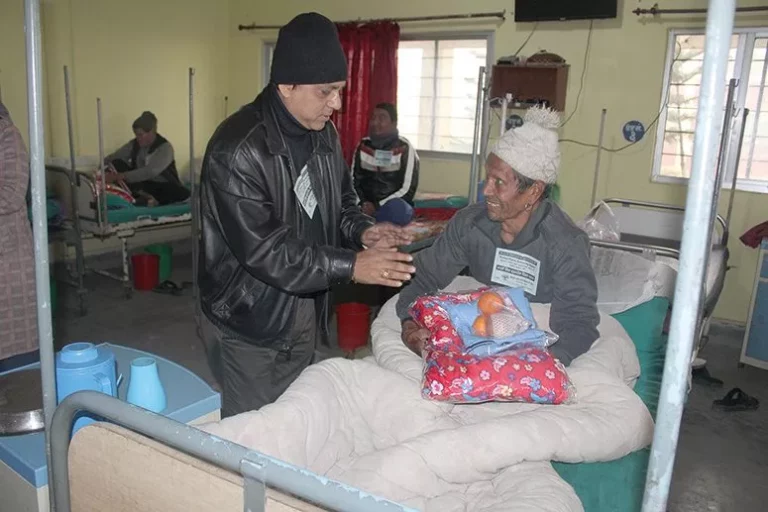
Accelerating to Zero Transmission of Leprosy in Nepal
Around 3,000 people are diagnosed with leprosy in Nepal each year, often too late to prevent disability. The ACCELERATE project works in four high-burden districts to improve early detection and treatment, partnering with specialist hospitals to reduce transmission and support cure.
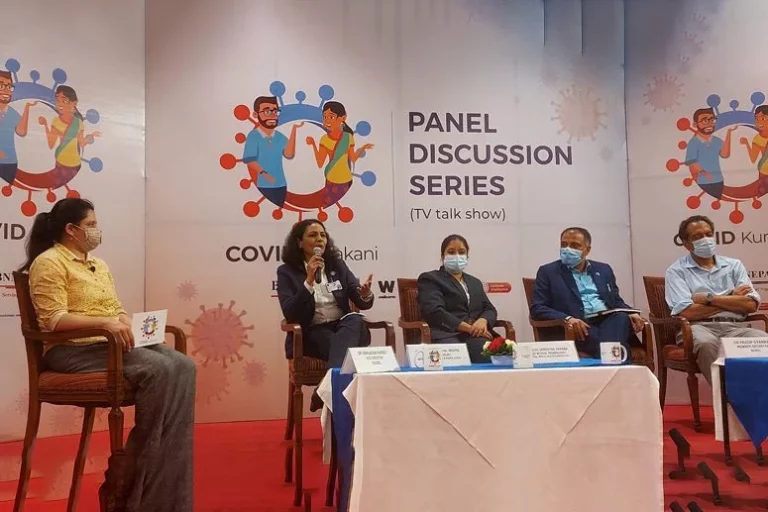
COVID KURAKANI Panel discussion series
Understanding stakeholders’ perspectives of COVID19 sequencing in Nepal
The Covid Kurakani project, funded by Wellcome Trust, is fostering dialogue in Nepal on the role of genomic sequencing in tackling pandemics. By engaging communities, health professionals, and policymakers, the project builds understanding of sequencing and supports better communication of research findings for future epidemic responses.

TARGET TB
Understanding TB transmission dynamics in the context of rapid urbanization of Asia to optimally target interventions and accelerate the End-TB strategy
ARGET TB uses whole genome sequencing in Kathmandu, Pyuthan, and Banke to study how TB spreads in Nepal. By understanding transmission dynamics in both rural and rapidly urbanising settings, the project generates evidence to better target interventions and accelerate progress towards the End-TB strategy.
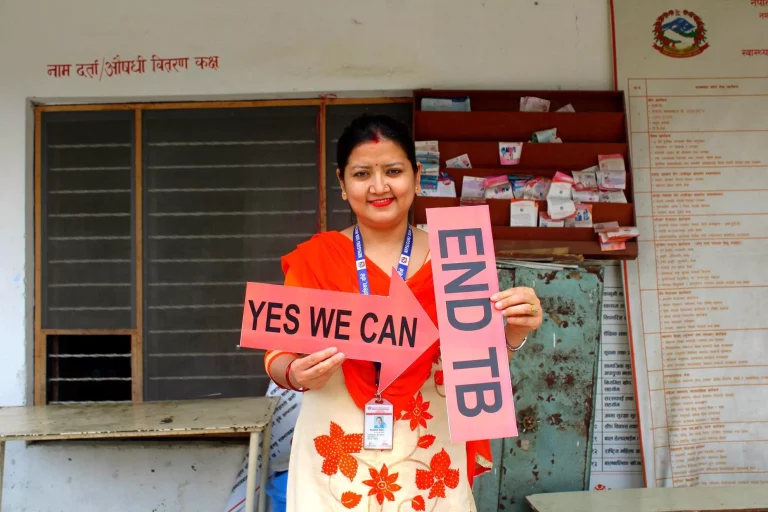
TB Shield
TB SHIELD is a collaborative project which seeks to demonstrate proof of concept for detecting airborne Mycobacterium tuberculosis through air sampling of the bacteria in three hostels for the treatment of drug resistant TB. If this method proves effective, we can use the data generated to develop better infection prevention and control strategies within these facilities.