Nutrition and Social Determinants
People affected by TB face multiple challenges such as poverty, poor nutrition, stigma and other cultural barriers that make the recovery harder.
BNMT works to address this by providing nutrition, social and financial support and community awareness programs. We work with survivors to design practical, culturally sensitive solutions that improve lives, restore hope and reduce hardship for affected families and individuals.
Your support provides food, care, and practical solutions that help families affected by TB recover and rebuild their lives.
ASCOT
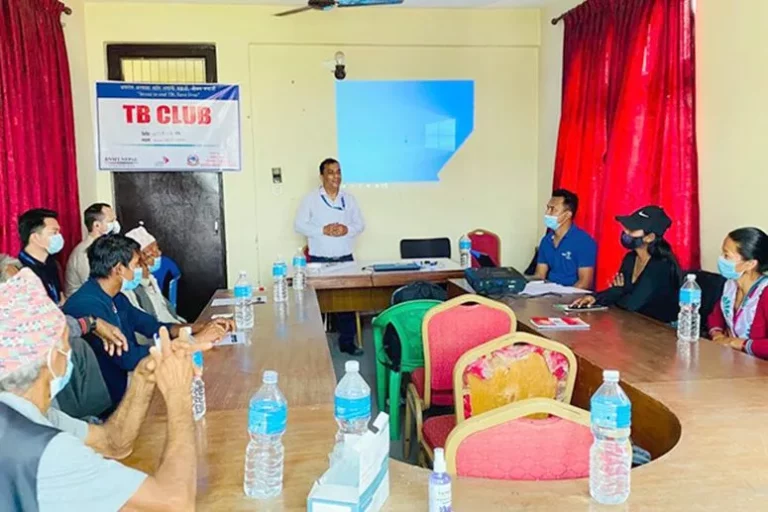
Addressing the Social determinants and Consequences of Tuberculosis in Nepal
The ASCOT project, funded by the UK Medical Research Council, is testing locally designed socioeconomic support packages for TB-affected households in Nepal. By assessing feasibility and acceptability, the study will help identify the most effective interventions to reduce poverty and catastrophic costs from TB.
CHANGE TB
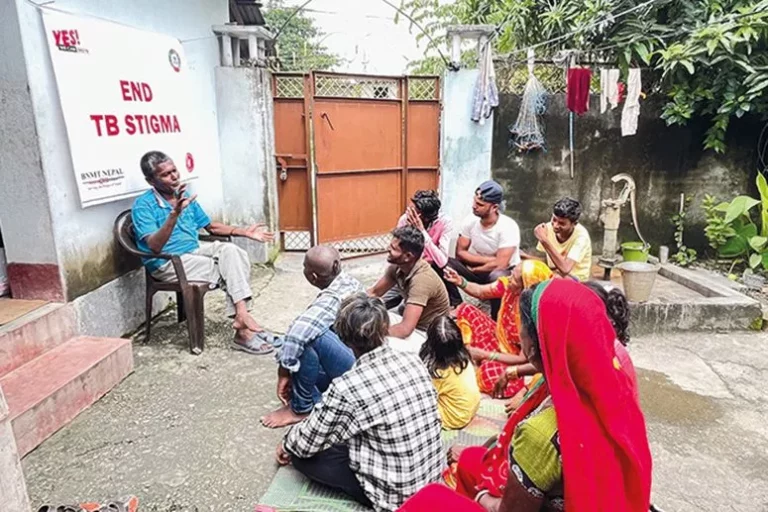
Intersectional approaches to empower communities to explore, challenge and transform TB-related stigma
CHANGE TB is working in six high-burden districts of Nepal to reduce stigma, build community capacity, and empower people affected by TB. Through advocacy, awareness, and support networks, the project fosters collaboration and resilience. Recently extended, it will continue until May 2025.
NOURISH
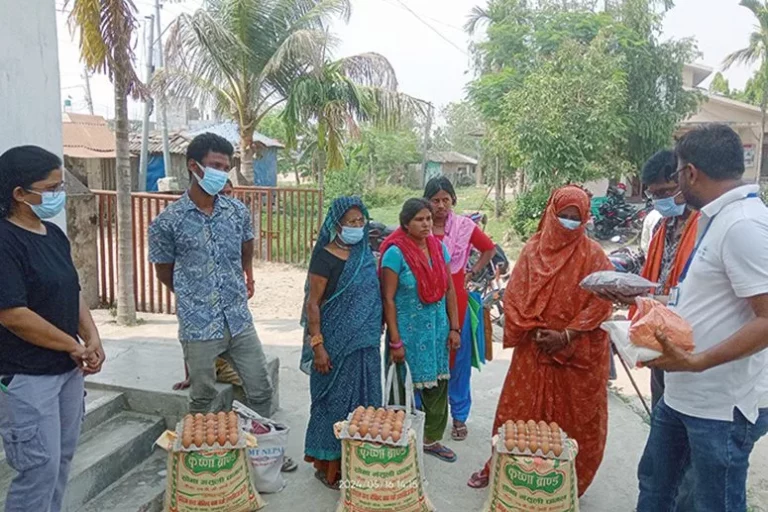
Nutritional support for people affected by TB
The NOURISH Project provides six months of nutritional support to TB patients and their families in Morang, Mahottari, and Banke. By supporting those most in need, the project aims to improve health outcomes, reduce food insecurity, and inform a national strategy for integrating nutrition into TB care.
TB Recovery
Nutritional support for families affected by TB in Nepal
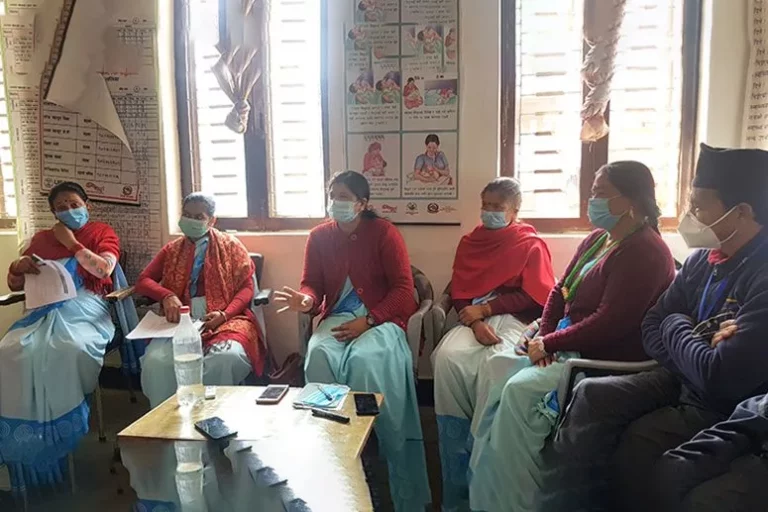
Nepal faces a high TB burden, with 69,000 new cases and 4,000 deaths annually, disproportionately affecting the poorest and driving families deeper into poverty. Our study found 30% of TB patients face food insecurity, and poor nutrition worsens recovery and increases vulnerability among family members. The TB RECOVERY project supports 200 high-burden families in Banke, Pyuthan and Makwanpur with six months of nutritional aid and trains female community health volunteers to identify TB cases and provide nutritional counselling.